
The complete guide
The Ergonomic Latex Pillow: A Buyer's Guide to contour Support
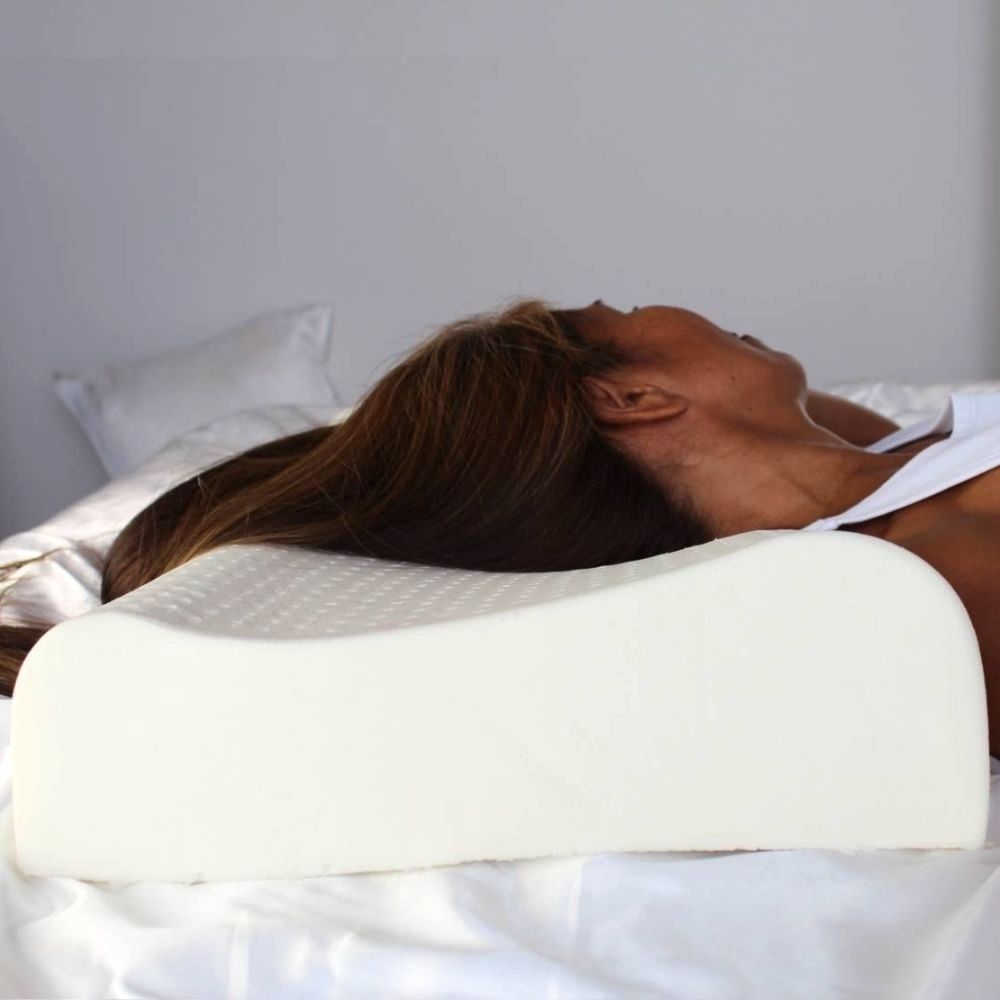
Why a contour shape
When you lie down, the goal is a neutral line. Your head, neck and spine should sit in the same gentle curve they have when you stand with good posture. A flat or overstuffed pillow breaks that line. Too flat and your head drops backward. Too high and your chin is pushed toward your chest. Either way your neck is bent, and the soft tissue around it is under load all night.
The two heights
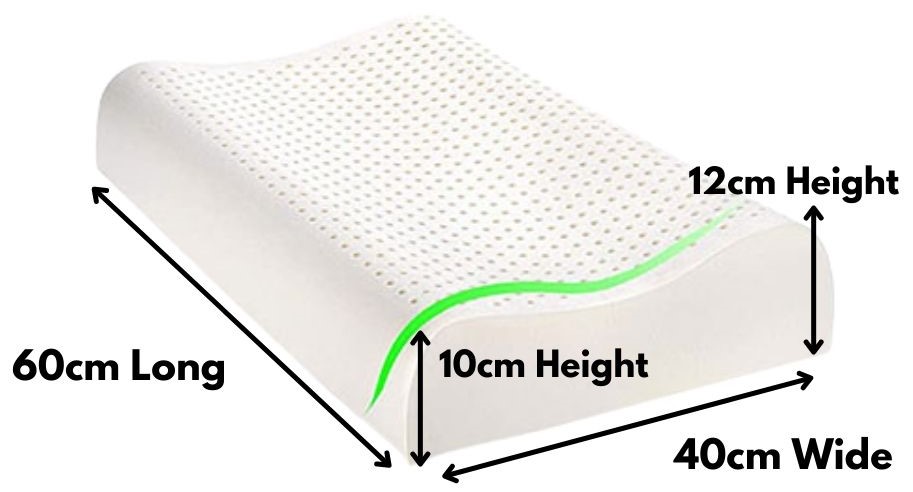
This pillow has a 10 cm low wave along one long edge and a 12 cm high wave along the other. That is deliberate, because the gap you need to fill changes with how you sleep.
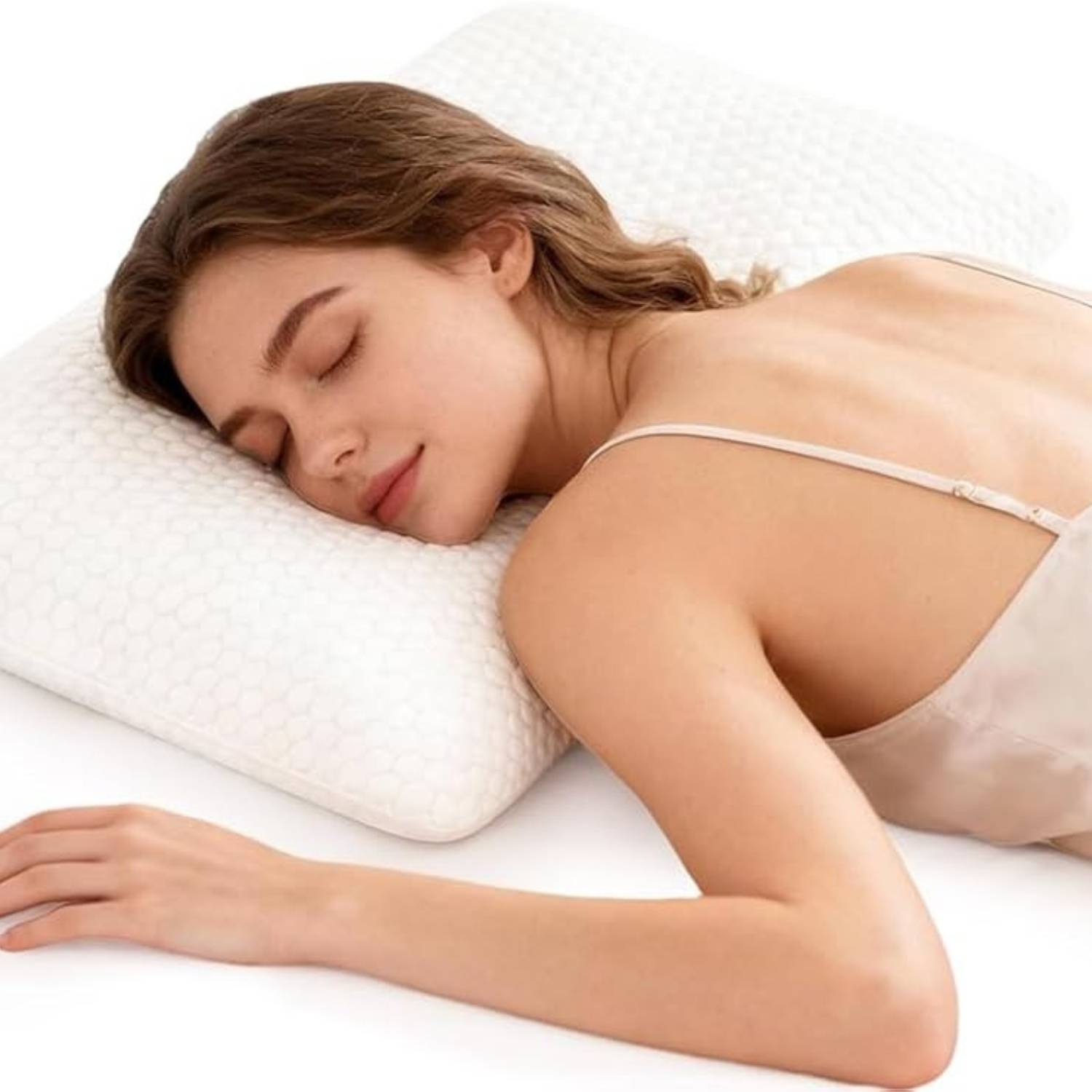
When you lie on your back, the gap between your head and the mattress is small. You want the 10 cm low wave, which supports your neck without shoving your head up and forward.
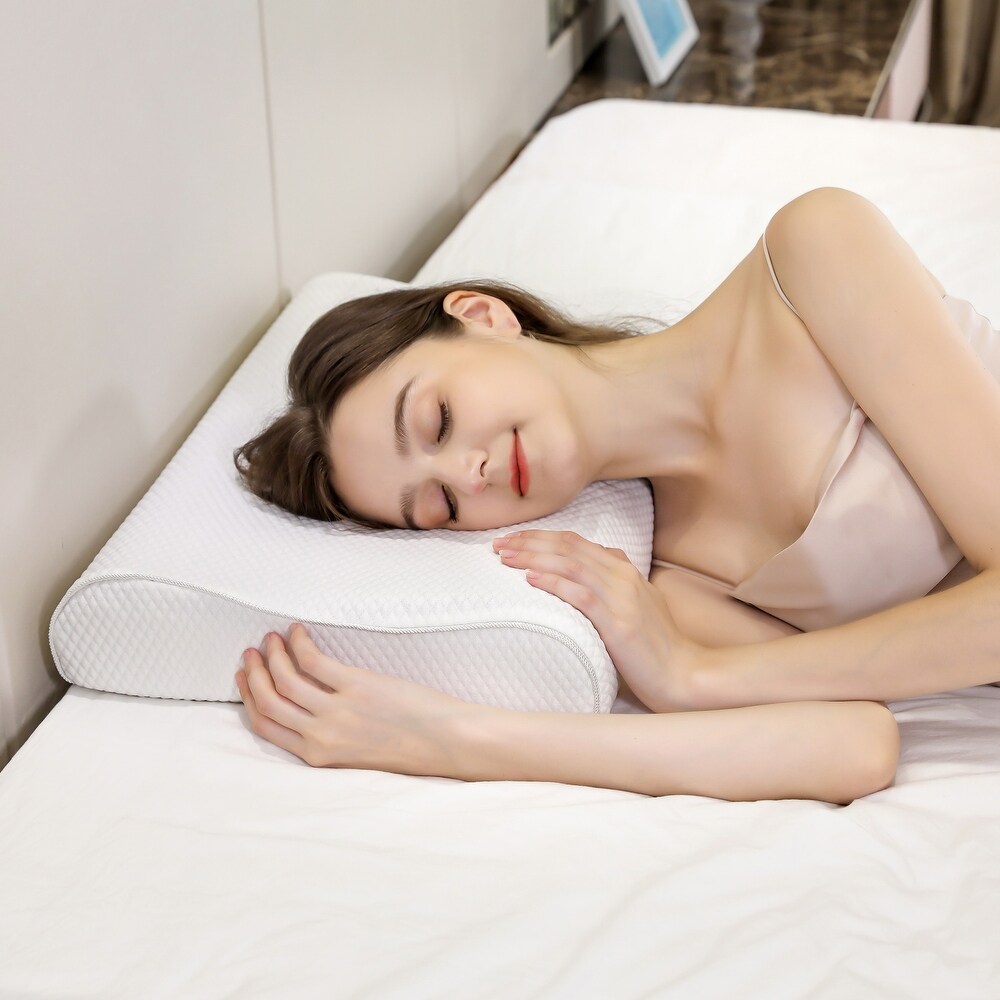
When you lie on your side, your shoulder lifts your head much further off the mattress, so the gap is larger. The 12 cm high wave fills it, keeping your head level with your spine rather than letting it sag toward the bed.
To move between them, you flip the pillow end over end. Pick the wave that matches the position you spend the most time in, and you have a pillow that works for two ways of sleeping rather than one.
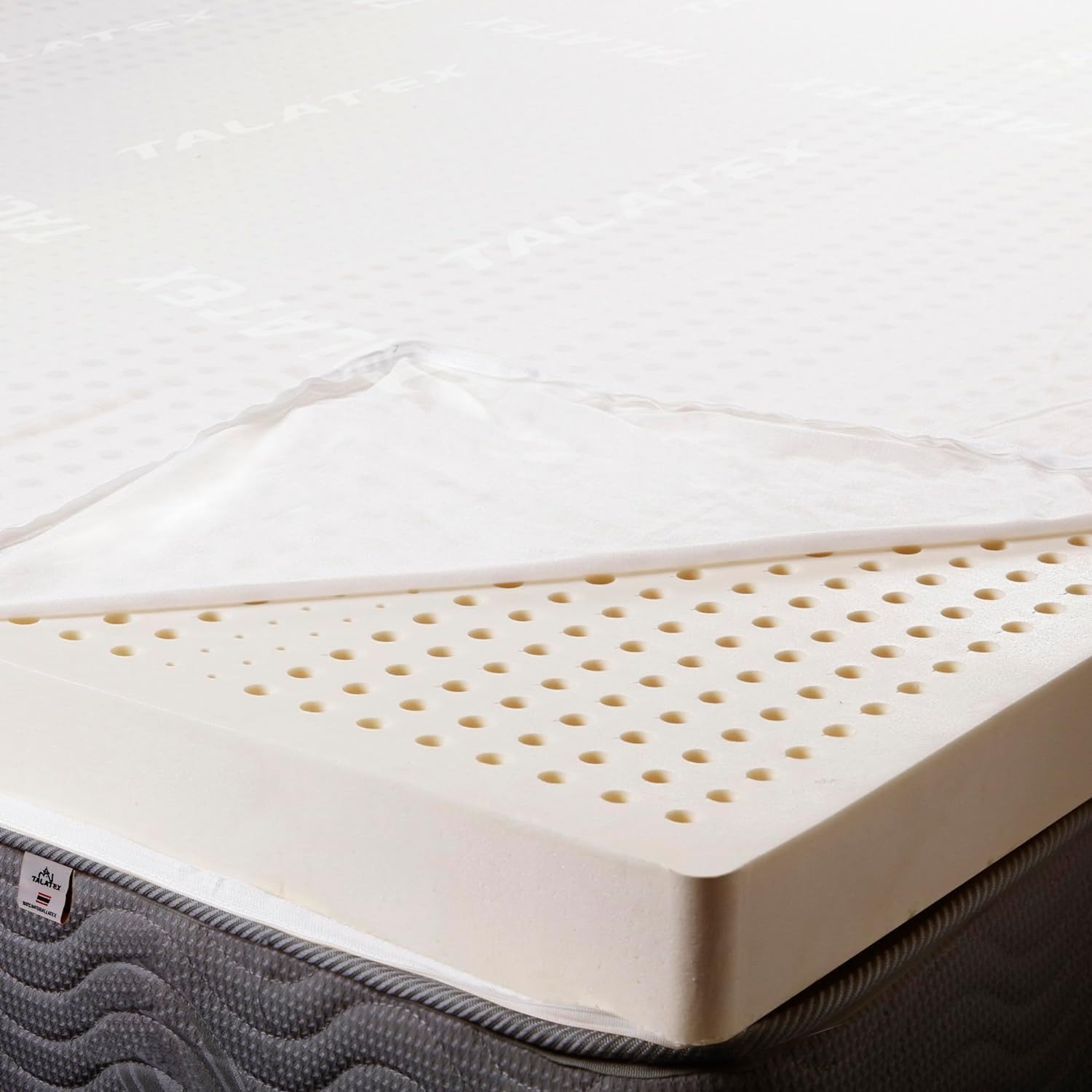
Why 100% natural latex
Most contour pillows are made from memory foam. Memory foam softens with body heat and sinks slowly, which sounds comfortable but works against a shaped pillow. The contour you felt when you lay down keeps changing as the foam warms and compresses, and the foam holds that heat against your neck.
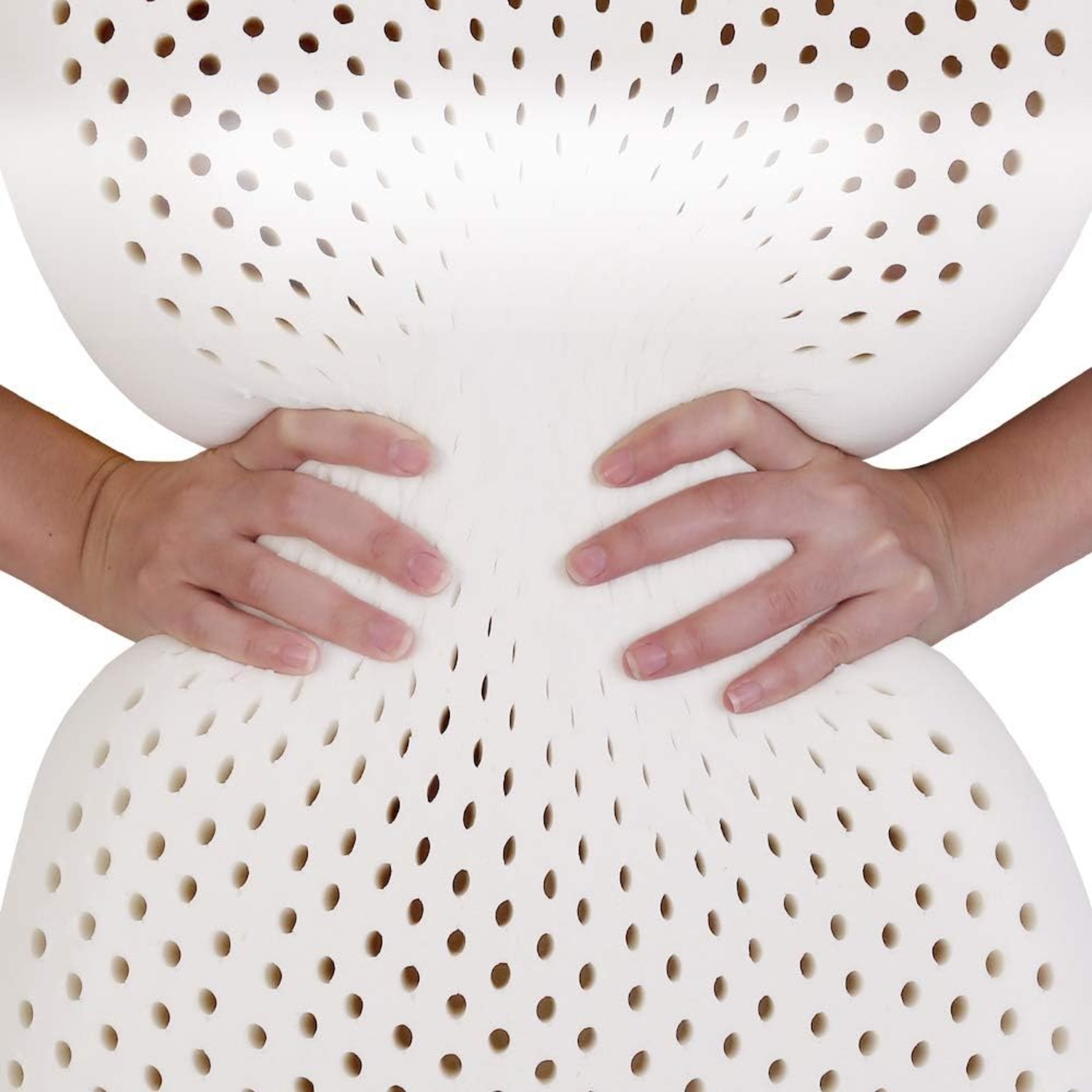
Natural latex behaves the opposite way. It is springy and instantly responsive, so it holds the contour shape from the moment you lie down until you get up. It pushes back to support you rather than swallowing your head. This is a latex contour neck pillow, not a foam one, and that difference is what you feel all night.
Staying cool
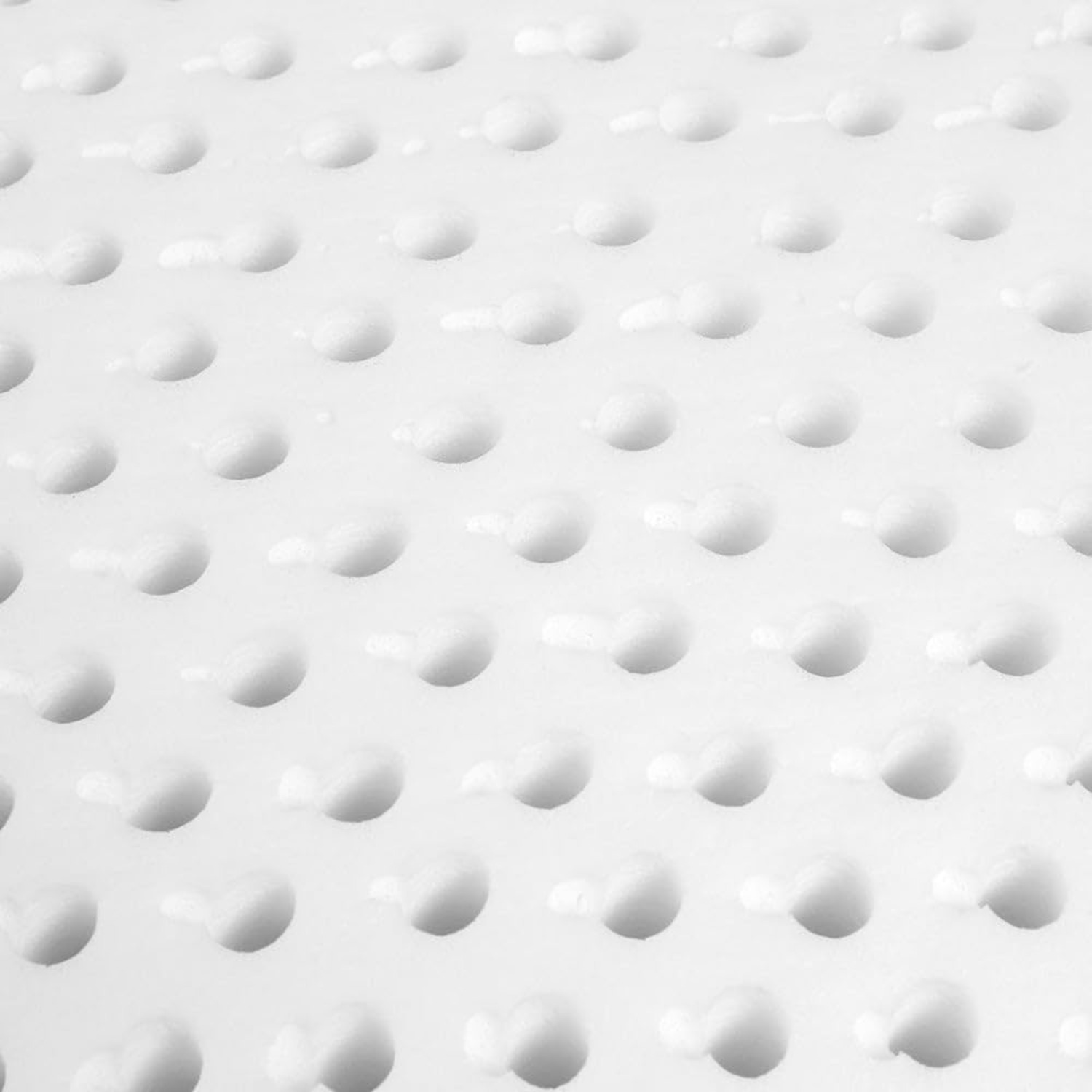
Latex breathes far better than foam. It does not depend on trapping heat to do its job, and air moves through it more freely than through a solid block of memory foam. So the pillow stays cooler against your skin, which matters most in summer and for people who run warm at night.
Cleaner by nature
How long it lasts
Think about the pillows you have thrown out. Polyester fibre clumps into lumps. Down flattens and needs shaking out every night. Memory foam softens and sinks. They share one flaw: the material compresses permanently, so the pillow you bought is not the pillow you are sleeping on six months later.
Latex is different because it is genuinely resilient. It compresses under your head and springs straight back, over and over, without losing its structure. That is why a natural latex pillow holds its shape and support for years. It costs more at the start and saves money over its life, because you are not replacing it every season.
There is a comfort side to this too. A pillow that keeps its loft keeps its feel. The height you chose on the first night is the height you still have a year later, so your neck support does not quietly drift while you sleep on it. With foam and fibre, the slow loss of loft is part of why a pillow that felt fine in the shop feels wrong a few months in. You adjust to it without noticing, then wake up sore and blame everything except the pillow.
Latex compared with foam, down and fibre
It helps to see where latex sits against the materials most pillows are made from. Memory foam moulds to your head, which feels nice for a minute, but it softens with body heat and keeps sinking, so the support you set out with drifts through the night while the foam holds heat against you. Down feels plush and then squashes flat, so you spend the night fluffing it, and it gives almost no structured support for your neck. Polyester fibre is cheap and light, then clumps into lumps within months.
Latex is the outlier. It is responsive like foam but springs back instead of sinking, so the support stays put from the first minute to the last. It breathes rather than trapping heat. And it lasts rather than wearing out. You pay more once and buy far fewer pillows over the years, which is the case people are really making when they look for the best latex contour neck pillow rather than another cheap one.
Signs your current pillow is the problem
Caring for your pillow
The care routine is short, and it comes down to keeping the latex dry and shaded.
Spot-clean rather than soak. Wipe marks with a barely-damp cloth and a little mild soap, then let the pillow air-dry fully. Never put the latex core through the wash or leave it sitting in water, because that breaks it down.
Keep it out of the sun. Direct sunlight dries out latex and causes it to crack over time, so store the pillow somewhere cool and shaded when it is not in use. Treated this way, it will hold its support far longer than the foam or down pillow it replaced.
Who should buy it, and who should not
It is not the right pillow if you sleep only on your stomach. Stomach sleeping needs a very low, soft surface so your neck is not craned upward, and a contour pillow sits too high for that. If that is you, a flat pillow will serve you better.